

Proper ventilation is crucial for maintaining a healthy and comfortable living environment. However, many homeowners make common ventilation mistakes that can lead to poor air quality and increased energy costs. In this guide, we’ll explore some frequent errors and how to avoid them to ensure your home is well-ventilated.
Before diving into these mistakes, consider how ventilation ties into broader home improvement projects. For instance, if you’re planning a kitchen remodel, understanding ventilation is as important as choosing the right layout. Check out these open concept kitchen remodeling ideas for inspiration.

Overlooking Regular Maintenance
One of the most common ventilation mistakes is neglecting regular maintenance of ventilation systems. Dust and debris can accumulate in vents and ducts, reducing efficiency and air quality. Regular cleaning and inspection can prevent these issues and extend the life of your system.
Improper Ventilation System Design
Another frequent error is poor design of the ventilation system. This can include incorrect sizing of ducts or improper placement of vents. Consulting with a professional during the design phase can help avoid these pitfalls. For more on different types of systems, visit this comprehensive guide on house ventilation systems.

Ignoring the Importance of Exhaust Fans
Exhaust fans play a vital role in removing moisture and odors from kitchens and bathrooms. Failing to install or use them properly can lead to mold growth and unpleasant smells. Ensure that exhaust fans are installed in key areas and used regularly to maintain air quality.
Failing to Consider Airflow Patterns
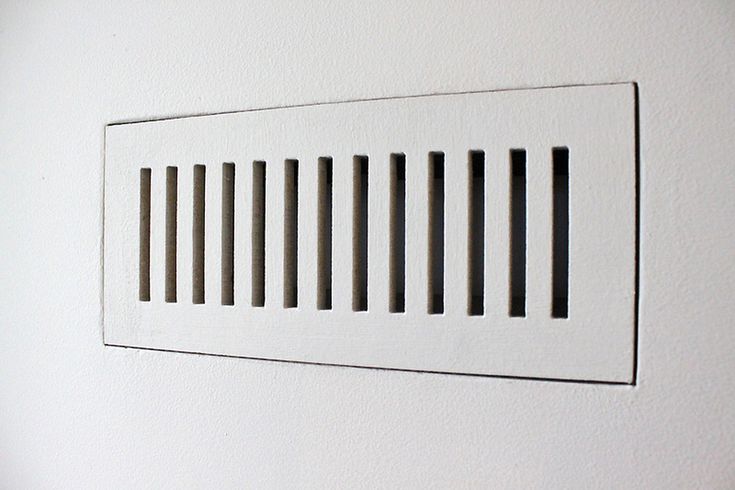
Understanding airflow patterns in your home is essential for effective ventilation. Blocking vents with furniture or failing to create a cross-ventilation system can hinder airflow. Ensure that vents are unobstructed and strategically placed to promote efficient air circulation.
FAQs About Home Ventilation
Why is regular maintenance of ventilation systems important?
Regular maintenance ensures that your ventilation system operates efficiently, prevents the buildup of dust and debris, and maintains good air quality.
What are the consequences of poor ventilation system design?
Poor design can lead to inefficient airflow, increased energy costs, and inadequate air quality. Consulting a professional can help avoid these issues.
How can I improve airflow in my home?
To improve airflow, ensure vents are not blocked, use exhaust fans in key areas, and consider creating cross-ventilation by opening windows or using fans strategically.


