


When it comes to building design, two concepts often come into play: airtight construction and breathable walls. These two ideas might seem contradictory, but they are both critical aspects of modern, energy-efficient architecture. Understanding the difference between these two concepts and how they work together can help you make informed decisions about your building project.
Before we delve into the specifics of these two concepts, it’s important to understand the broader context of passive house design principles. For more information, check out this comprehensive guide on passive house design principles.
Understanding Airtight Construction
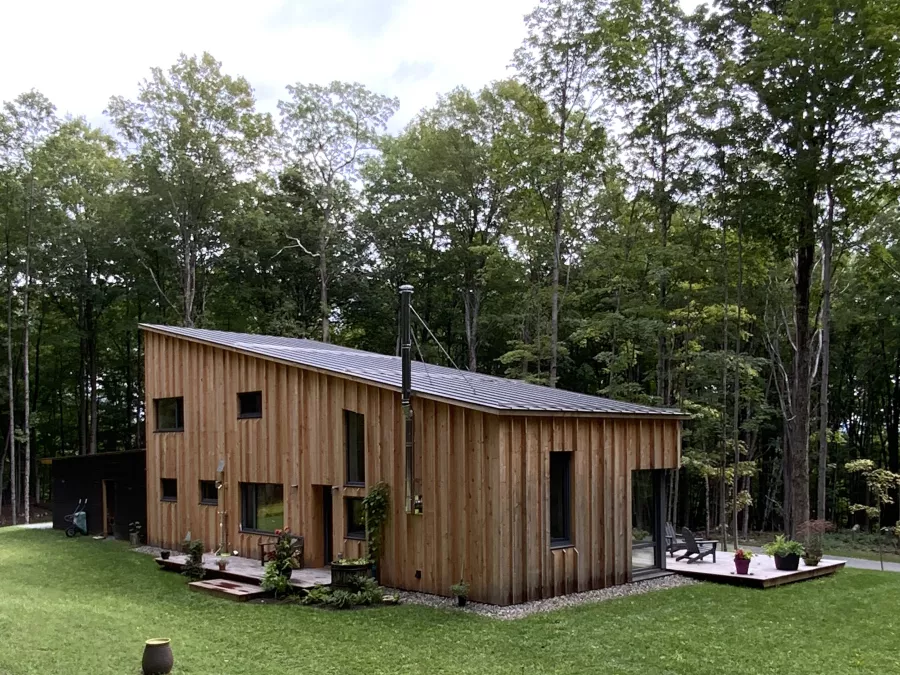
Airtight construction refers to the practice of sealing a building to prevent uncontrolled air leakage. This is achieved by creating a continuous air barrier around the building envelope, which includes the walls, roof, and floor. Airtight construction is crucial for energy efficiency as it prevents heat loss and reduces the need for heating and cooling.
The Concept of Breathable Walls
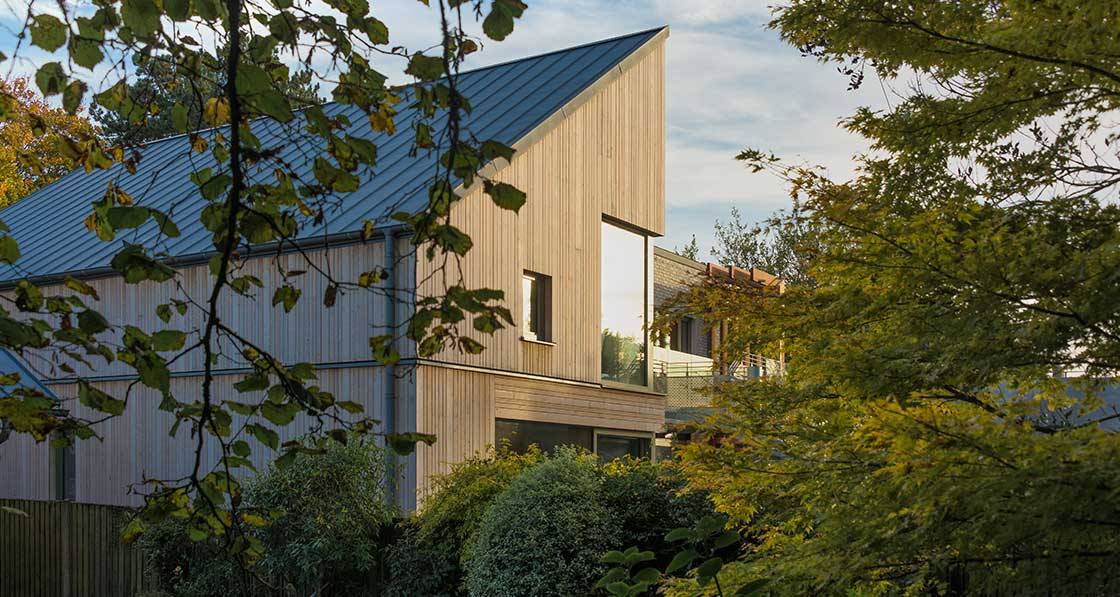
On the other hand, breathable walls refer to the ability of a wall system to allow moisture to pass through it. This is important for preventing condensation and mold growth within the wall assembly. Breathable walls are achieved by using materials that allow water vapor to pass through them, while still providing insulation and airtightness.
Harmonizing Airtightness and Breathability
While airtight construction and breathable walls might seem at odds with each other, they can actually work together in a well-designed building. The key is to balance the need for airtightness to prevent energy loss with the need for breathability to manage moisture. This balance is crucial in passive house design, which prioritizes energy efficiency and indoor air quality.
For further reading on this topic, consider our guide on resilience in passive house design.
Conclusion
In conclusion, both airtight construction and breathable walls play a critical role in modern, energy-efficient building design. By understanding these concepts, you can make informed decisions about your building project and create a structure that is both energy-efficient and healthy to live in.
Consider how a solar setup suits both airtight and breathable designs. It’s also essential to optimize for healthy comfort in your living spaces.
Written by Elan James on November 23, 2025.

