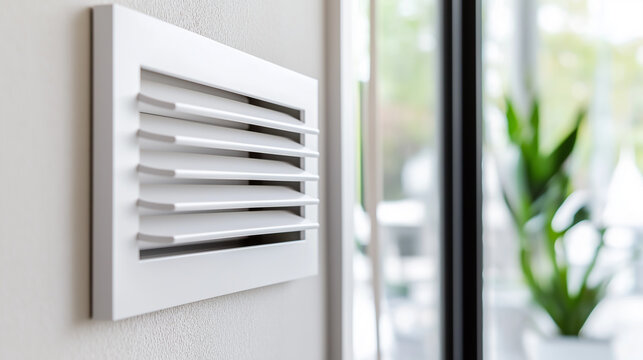

Understanding the importance of air changes per hour (ACH) is crucial for maintaining healthy indoor environments. These standards dictate how often the air within a room is replaced, ensuring adequate ventilation and air quality. Whether you’re planning a new construction project or looking to improve the ventilation in your existing home, knowing these standards can help you make informed decisions.
For those interested in home renovations, integrating proper ventilation is as important as other design elements. If you’re considering an open concept kitchen, for example, you might find these open concept kitchen remodeling ideas helpful in planning a space that balances aesthetics with functionality.
What Are Air Changes Per Hour?
Air changes per hour refer to the number of times the air within a specific space is replaced with fresh air in one hour. This metric is essential for assessing ventilation efficiency and ensuring that indoor air remains clean and safe. The ACH value is calculated by dividing the volume of air moved in an hour by the volume of the space.
Importance of Proper Ventilation
Proper ventilation is vital for maintaining indoor air quality, reducing pollutants, and controlling humidity levels. Inadequate ventilation can lead to health issues such as allergies, respiratory problems, and even more severe conditions over time. By adhering to air change standards, you can ensure that your living environment is both comfortable and healthy.

How to Calculate Air Changes Per Hour
Calculating the ACH for a room involves a straightforward formula. First, determine the volume of the room by multiplying its length, width, and height. Then, measure the airflow rate of your ventilation system in cubic feet per minute (CFM). To find the ACH, multiply the CFM by 60 (to convert to cubic feet per hour) and divide by the room’s volume.
Recommended Standards for Different Spaces
Different spaces require varying levels of air changes per hour. For instance, residential areas like bedrooms and living rooms typically require 0.35 to 0.5 ACH. In contrast, kitchens and bathrooms, where moisture and odors are more prevalent, may need 5 to 15 ACH. It’s essential to tailor the ventilation strategy to the specific needs of each area.

Implementing Effective Ventilation Systems
To achieve optimal air change rates, consider installing a whole-house ventilation system. These systems can be integrated with existing HVAC systems to ensure consistent air quality throughout the home. For a detailed explanation of these systems, you can refer to this comprehensive guide on whole-house ventilation systems.
FAQs
What Is the Ideal ACH for a Residential Home?
The ideal ACH for a residential home typically ranges from 0.35 to 1.0, depending on the specific area and its use. Bedrooms and living rooms generally require lower rates, while kitchens and bathrooms need higher rates due to moisture and odor concerns.
How Can I Measure the ACH in My Home?
To measure the ACH in your home, you need to know the volume of the space and the airflow rate of your ventilation system. You can use a flow hood or anemometer to measure the airflow rate and then apply the ACH formula.
Why Are Higher ACH Rates Needed in Kitchens and Bathrooms?
Kitchens and bathrooms require higher ACH rates because these areas produce more moisture, odors, and pollutants. Effective ventilation helps remove these elements, maintaining a healthier indoor environment.