


Ensuring good indoor air quality (IAQ) is critical for the health and well-being of everyone, especially homeowners and real estate developers. Understanding the fundamental factors that influence IAQ can help in maintaining a healthy living environment. The question, ‘what are the four ps that help us understand indoor air quality?’ often arises in this context. The four PsPeople, Pollutants, Pathways, and Performanceprovide a comprehensive framework for understanding and managing IAQ.
1. People: The Occupants of Indoor Spaces
The first P stands for People. The individuals living in or using indoor spaces can significantly impact indoor air quality. Everyday activities such as cooking, cleaning, and personal care routines can introduce pollutants into the air. For instance, using aerosol products or smoking indoors adds to the concentration of harmful substances. It’s crucial for residents to be aware of their contributions to indoor air quality and take steps to minimize their impact.

2. Pollutants: Identifying Harmful Agents
The second P, Pollutants, refers to the contaminants present in the air that can affect health. Common indoor air pollutants include:
- Volatile Organic Compounds (VOCs) from paints, varnishes, and cleaning products.
- Particulate matter from dust, smoke, and cooking fumes.
- Biological contaminants such as mold, pet dander, and pollen.
- Carbon monoxide (CO) and radon gases.
Identifying and controlling these pollutants is essential for maintaining good IAQ.
Volatile Organic Compounds (VOCs)
VOCs are a significant concern as they are emitted from many household products and building materials. Long-term exposure to VOCs can cause adverse health effects. It’s advisable to use low-VOC or VOC-free products whenever possible.
Particulate Matter
Particulate matter, which includes dust, smoke, and other fine particles, can aggravate respiratory conditions and contribute to poor health. Regular cleaning and the use of air purifiers can help manage particulate levels.

3. Pathways: Routes of Pollutant Entry
The third P, Pathways, are the routes through which pollutants enter and move within indoor spaces. These can include:
- Ventilation systems that bring in outdoor air.
- Cracks and gaps in building structures.
- Open windows and doors.
Understanding these pathways helps in designing strategies to control pollutant entry and distribution.
Ventilation Systems
Properly designed and maintained ventilation systems are crucial for expelling indoor pollutants and bringing in clean outdoor air. Regular inspection and maintenance of HVAC systems can ensure they function effectively.
Structural Gaps
Sealing cracks and gaps in walls, floors, and ceilings can reduce the influx of outdoor pollutants and control indoor air movement patterns.
4. Performance: Assessing and Enhancing IAQ
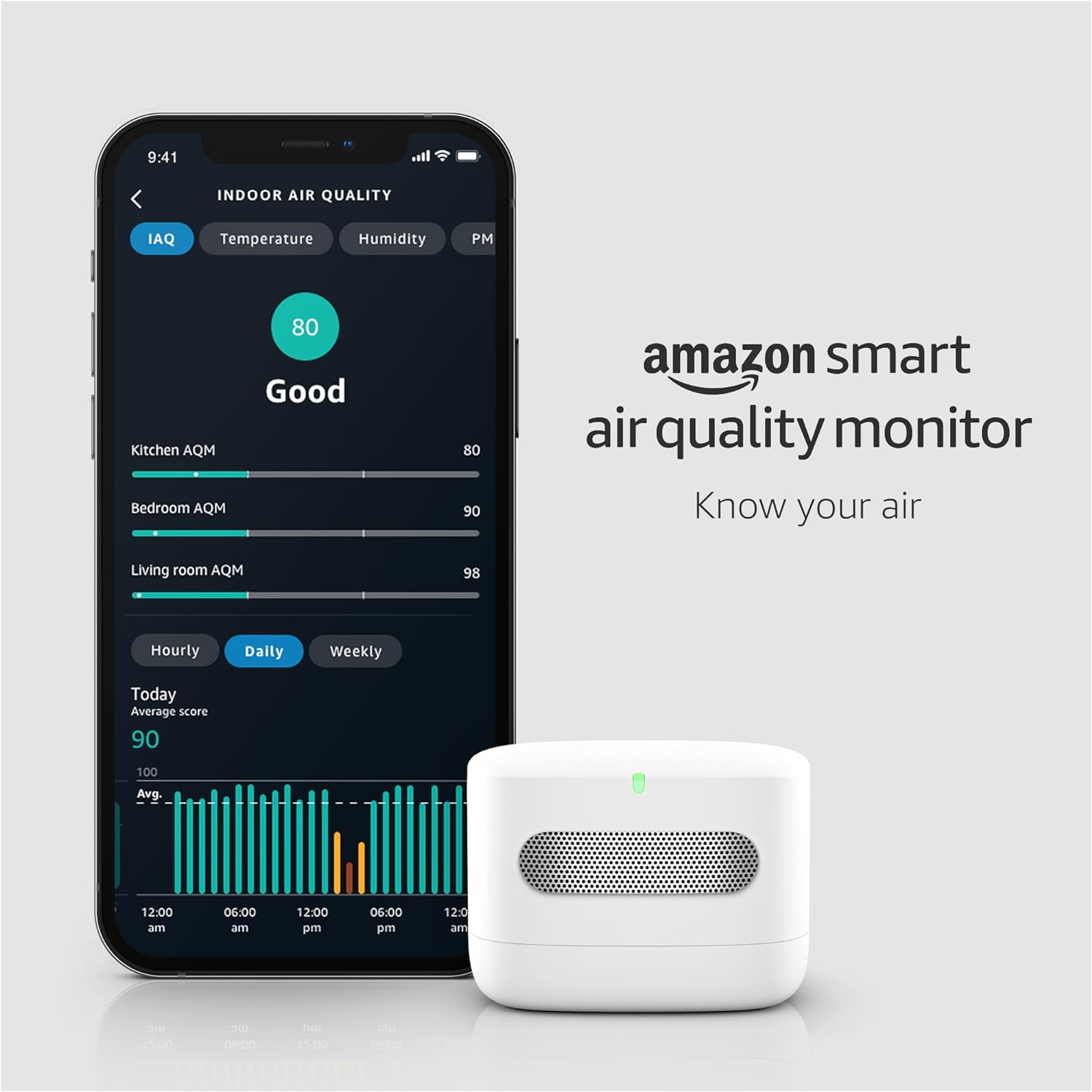
The final P, Performance, refers to the effectiveness of measures put in place to ensure good indoor air quality. Constant monitoring and evaluation of IAQ are necessary to determine if the strategies are working as intended. Tools such as air quality monitors can provide real-time data on pollutant levels.
Monitoring Tools
IAQ monitors are essential for tracking the concentration of pollutants and humidity levels. These tools help in making informed decisions about necessary interventions.
Intervention Strategies
Based on the data collected from monitoring tools, various intervention strategies can be implemented, such as increased ventilation, use of air purifiers, and changes in occupant behavior.
FAQ
What are the four Ps that help us understand indoor air quality?
The four Ps are People, Pollutants, Pathways, and Performance.
How can I monitor indoor air quality?
You can use IAQ monitors to track pollutant levels and humidity in real-time.
What are some common indoor air pollutants?
Common indoor air pollutants include VOCs, particulate matter, biological contaminants, and gases like carbon monoxide and radon.
For more detailed information on indoor air quality and pollutants, visit the EPA’s website on IAQ.
For related articles, check out Best Practices, Innovative Uses, and Low-Impact Techniques.
As an Amazon Associate, I earn from qualifying purchases.

