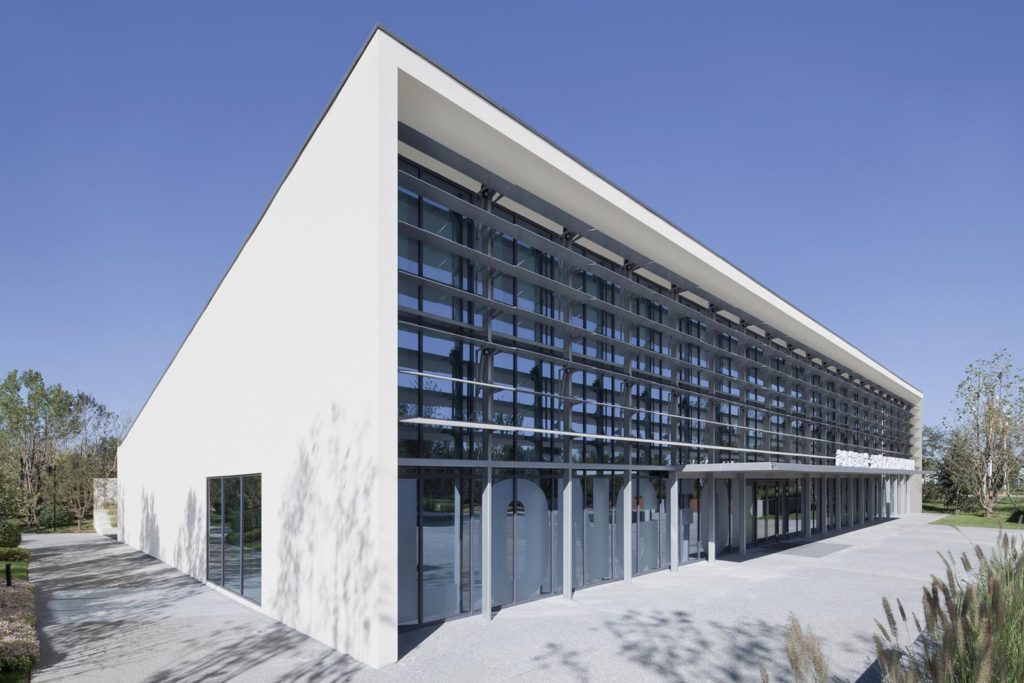

When it comes to sustainable architecture and building design, the utilization of passive design principles is crucial. These principles, which include orientation, insulation, and ventilation, can significantly reduce the energy consumption of a building. However, implementing these principles effectively requires sophisticated tools. That’s where software solutions come into play.
These software solutions, often referred to as passive home ventilation balance tools, allow architects and engineers to optimize the passive design elements of a building. They provide a comprehensive analysis of various factors such as sunlight exposure, thermal comfort, and air quality to create an energy-efficient design.
Understanding the Role of Software in Passive Design
Software solutions for passive design optimization play a crucial role in sustainable architecture. They provide a platform for architects and engineers to simulate various design scenarios and evaluate their performance. This allows them to make informed decisions about the best design strategies to implement.
Key Features of Passive Design Software
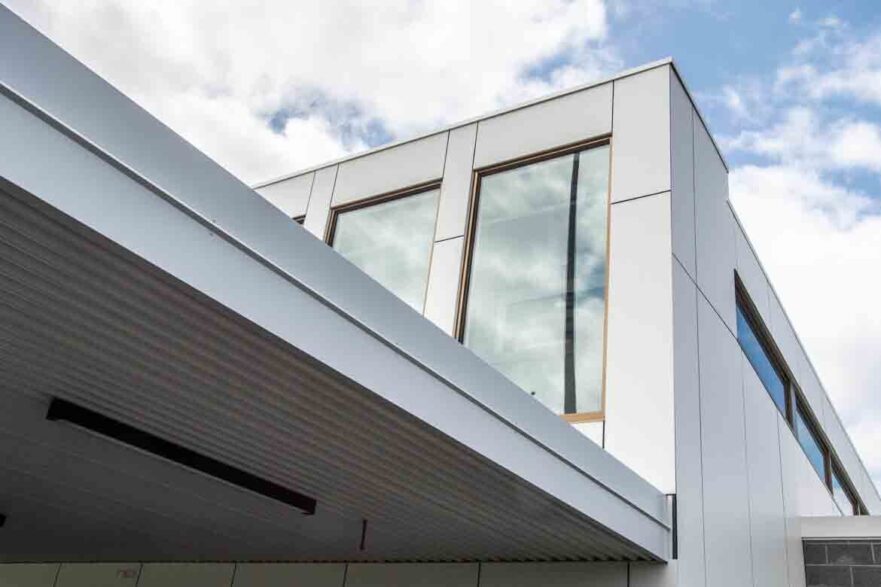
Passive design software solutions come with a range of features that aid in the optimization process. These include energy modeling, daylight analysis, and thermal comfort assessment. These features allow designers to create buildings that are not only energy-efficient but also comfortable and healthy for occupants.
Choosing the Right Software
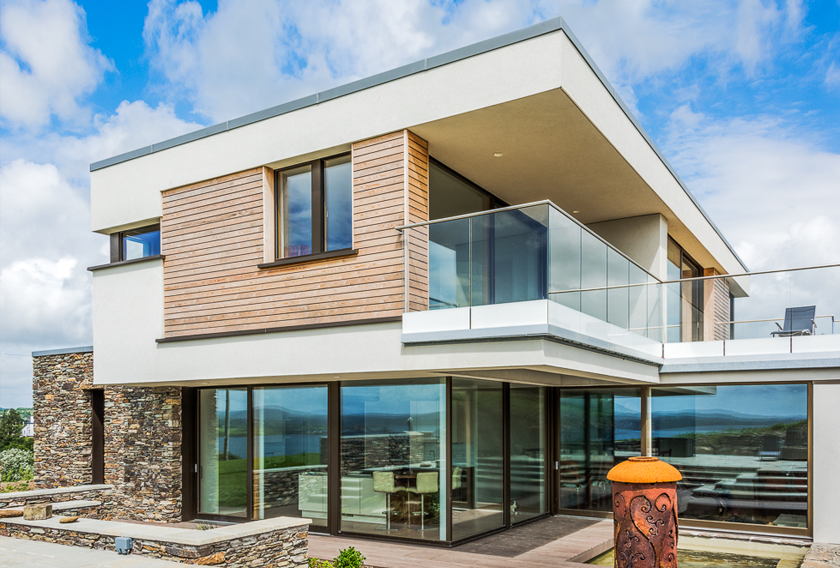
There are numerous passive design software solutions available in the market. Choosing the right one depends on your specific needs and requirements. It’s important to consider factors such as ease of use, accuracy, and the range of features offered. You can learn more about passive house principles and their implementation by visiting this descriptive anchor text.
Conclusion
Passive design optimization software is an essential tool for architects and engineers aiming to create sustainable and energy-efficient buildings. By leveraging these tools, they can make informed decisions and create designs that are not only environmentally friendly but also comfortable for occupants.
If you’re interested in implementing passive design principles in your projects, consider investing in tools that allow for record modeling via cam and help you build bridge-free insulation. These resources can significantly enhance your design process and result in more sustainable outcomes.