
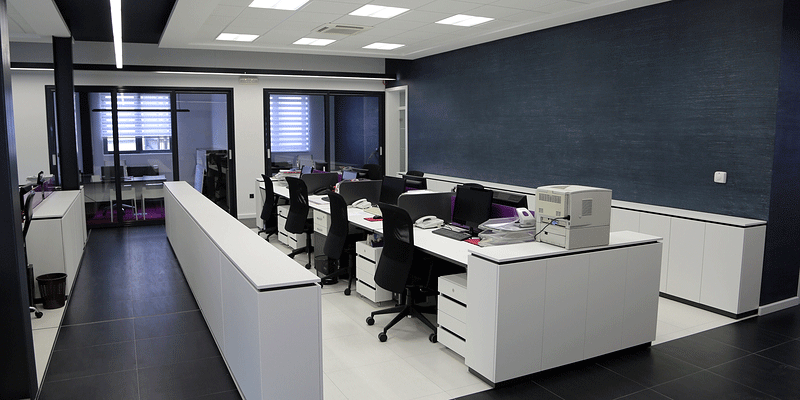

Planning and executing a successful office renovation or fit-out requires more than just a vision for the finished space. There are several office buildout project success factors that determine whether your project will meet deadlines, stay within budget, and deliver a functional, inspiring environment for your team. Understanding these elements can help you avoid common pitfalls and ensure your investment pays off for years to come.
From initial planning and compliance to long-term maintenance, each phase of an office construction project brings unique challenges. Addressing these proactively is essential for minimizing disruptions and achieving the desired outcome. For those seeking a comprehensive approach, reviewing an office buildout inspection checklist early in the process can help ensure nothing is overlooked.
Key Elements That Drive Office Buildout Success
Every office transformation is unique, but certain factors consistently influence the outcome. Recognizing these drivers early can help you set realistic expectations and align your team for a smooth process.
- Clear objectives and scope definition – Establishing what you want to achieve, including must-have features and nice-to-have options, is foundational. This clarity prevents costly changes later.
- Accurate budgeting – A detailed budget should account for construction, design, permits, contingencies, and potential overruns. Transparency here helps avoid surprises.
- Timeline management – Setting realistic milestones and tracking progress ensures the project stays on schedule. Delays can have ripple effects on operations and costs.
- Stakeholder communication – Keeping all parties informed, from leadership to end users, helps manage expectations and fosters buy-in.
- Vendor and contractor selection – Choosing experienced partners with a track record in office fit-outs is crucial for quality and reliability.

Planning and Design: Foundation for a Successful Office Buildout
The planning phase sets the tone for the entire project. It’s where vision meets feasibility, and where many of the most critical office buildout project success factors come into play.
Defining Project Goals and Requirements
Start by identifying your organization’s needs. Consider workflow, company culture, future growth, and technology requirements. Collaborate with department leaders to ensure the new space supports both current and anticipated needs.
Space Planning and Design Considerations
Effective space planning balances aesthetics, functionality, and compliance. Work with architects and designers who understand how to maximize natural light, promote collaboration, and provide quiet zones. Accessibility and code compliance should never be afterthoughts.
Budgeting and Cost Control
Develop a detailed budget that includes all foreseeable expenses. Don’t forget to allocate a contingency fund—unexpected costs are common in construction projects. For a deeper dive into long-term financial planning, reviewing office buildout lifecycle costs can provide valuable insights.
Project Execution: Managing Construction and Stakeholders
Once planning is complete, the focus shifts to execution. Here, coordination and oversight are vital to keeping the project on track.
Choosing the Right Contractors and Vendors
Select partners with proven experience in office environments. Check references, review portfolios, and ensure they understand your vision. A strong team will anticipate challenges and offer solutions before problems arise.
Communication and Collaboration
Regular updates and open channels between all stakeholders—owners, project managers, contractors, and end users—prevent misunderstandings and delays. Schedule weekly meetings and use project management tools to track progress and address issues promptly.
Quality Control and Inspections
Frequent site visits and milestone inspections help maintain standards and catch issues early. Leveraging resources like an office buildout inspection checklist ensures compliance and thoroughness at every stage.
Compliance, Handover, and Long-Term Considerations
The final stages of an office fit-out are just as important as the early ones. Ensuring compliance, a smooth handover, and planning for ongoing needs are all essential success factors.
Regulatory Compliance and Inspections
Meeting all local codes, safety regulations, and accessibility requirements is non-negotiable. Schedule inspections at key milestones and document compliance to avoid costly rework.
Handover and Occupancy
A structured handover process includes walkthroughs, punch lists, and training for facilities staff. This ensures the space is ready for immediate use and that any outstanding issues are addressed promptly.
Maintenance and Warranty Planning
Consider the long-term upkeep of your new space. Review office buildout long term maintenance best practices and understand your office buildout warranty considerations to protect your investment. Proactive planning here can reduce downtime and extend the life of your office improvements.
Common Pitfalls and How to Avoid Them
Even well-planned projects can encounter obstacles. Being aware of common mistakes can help you steer clear of them:
- Scope creep – Unplanned changes can derail timelines and budgets. Stick to the agreed scope and document any modifications.
- Poor communication – Gaps in information can lead to costly errors. Maintain clear, consistent updates with all parties.
- Inadequate contingency planning – Failing to prepare for unexpected issues can result in delays and overruns. Always include a buffer in your schedule and budget.
- Overlooking post-occupancy needs – Neglecting maintenance and warranty details can lead to avoidable expenses down the line.
For a comprehensive breakdown of the entire process, including best practices and detailed steps, see this ultimate guide to building out office space.
Frequently Asked Questions
What are the most important factors for a successful office buildout?
The most critical elements include clear project goals, thorough planning, accurate budgeting, effective communication, and selecting experienced contractors. Compliance with regulations and a focus on long-term maintenance also play a key role.
How can I keep my office buildout on schedule and within budget?
Set realistic timelines, monitor progress closely, and communicate regularly with all stakeholders. Use detailed budgets that include contingencies, and avoid making changes to the project scope unless absolutely necessary.
Why is post-construction planning important?
Planning for maintenance, warranties, and future upgrades ensures your new office remains functional and cost-effective over time. Addressing these factors early can prevent unexpected expenses and downtime.


