


Creating a modern workspace involves more than just selecting furniture and paint colors. Office buildout lighting design plays a critical role in shaping the environment, directly influencing employee well-being, productivity, and the overall atmosphere. The right lighting plan can reduce eye strain, boost focus, and make a workspace more inviting. As organizations look to optimize their office layouts, understanding the essentials of lighting for new or renovated spaces is essential.
Whether you’re planning a new office or upgrading an existing one, integrating thoughtful lighting solutions early in the process can lead to better outcomes for both employees and visitors. In addition to aesthetics, energy efficiency, and compliance with building codes, the human experience should be at the heart of every lighting decision. For those also considering home renovations, exploring open concept kitchen remodeling ideas can provide inspiration for creating open, well-lit environments in both residential and commercial settings.
Key Principles of Effective Lighting in Office Buildouts
A successful lighting plan for a new office space should balance function, comfort, and aesthetics. The following principles guide the process:
- Task Lighting: Ensure that workstations, conference rooms, and collaborative areas have focused illumination to support reading, writing, and computer work.
- Ambient Lighting: Provide general, evenly distributed light to create a comfortable baseline level throughout the office.
- Accent Lighting: Use spotlights or wall washers to highlight architectural features, artwork, or branding elements, adding visual interest and depth.
- Daylight Integration: Maximize natural light with window placement, glass partitions, and light shelves, while controlling glare with shades or blinds.
- Energy Efficiency: Choose LED fixtures and smart controls to reduce energy consumption and maintenance costs.
Types of Fixtures for Modern Office Spaces
Selecting the right combination of fixtures is essential for both functionality and aesthetics. Here are some common options for commercial environments:
- Recessed Troffers: Popular for drop ceilings, these fixtures provide broad, even illumination and are often used in open-plan areas.
- Pendant Lights: Ideal for conference tables, break rooms, or reception areas, pendants add style and can define specific zones.
- Track Lighting: Offers flexibility for highlighting displays, artwork, or collaborative spaces, allowing for easy adjustments as layouts change.
- Desk Lamps and Under-Cabinet Lights: Provide direct task lighting for individual workstations, reducing eye fatigue.
- Wall Sconces: Useful for corridors, lounges, or accent areas, sconces add warmth and reduce harsh shadows.
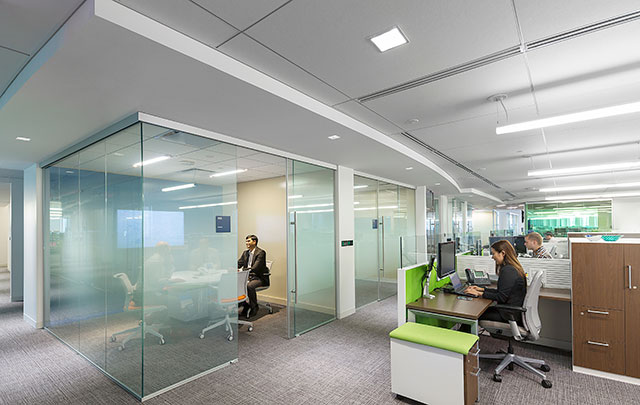
How Lighting Impacts Productivity and Well-Being
The relationship between lighting and workplace performance is well-documented. Poorly lit environments can lead to headaches, fatigue, and decreased motivation. On the other hand, a well-designed lighting scheme can:
- Enhance concentration and reduce errors by providing adequate illumination for tasks.
- Support circadian rhythms and improve mood by mimicking natural daylight patterns.
- Encourage collaboration and creativity in shared spaces with dynamic, adjustable lighting.
- Reduce absenteeism and boost morale by creating a comfortable, visually appealing environment.
When planning your next office renovation, consider how lighting choices will affect not just the look of the space, but also the daily experience of those who use it.
Design Strategies for Flexible and Adaptive Workspaces
As work environments evolve, flexibility becomes increasingly important. Lighting should adapt to changing needs, whether for focused work, team meetings, or social events. Here are some strategies for creating adaptable illumination:
- Layered Lighting: Combine ambient, task, and accent lighting to allow users to adjust brightness and mood as needed.
- Smart Controls: Install dimmers, occupancy sensors, and programmable systems to automate lighting based on occupancy and time of day.
- Modular Fixtures: Use movable lamps or fixtures that can be repositioned as furniture layouts change.
- Personalized Lighting: Provide employees with control over their immediate lighting environment, such as adjustable desk lamps or tunable white fixtures.
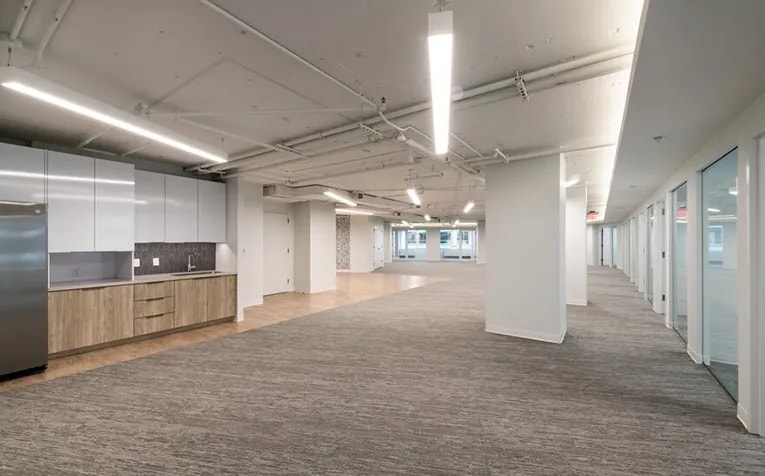
Compliance, Codes, and Energy Considerations
Every commercial buildout must adhere to local building codes and energy regulations. This includes requirements for emergency lighting, minimum light levels, and energy efficiency standards. Consulting with a qualified lighting designer or electrical engineer early in the process can help ensure compliance and avoid costly changes later.
For a deeper understanding of what a buildout entails, including lighting and other infrastructure, refer to this comprehensive guide to office buildouts.
Common Mistakes to Avoid in Workspace Lighting
Even with the best intentions, certain pitfalls can undermine the effectiveness of a lighting plan. Watch out for these common issues:
- Over-lighting or Under-lighting: Too much brightness can cause glare, while insufficient light leads to eye strain. Aim for balanced, layered illumination.
- Ignoring Natural Light: Failing to account for windows and daylight can result in wasted energy and uncomfortable glare.
- Poor Fixture Placement: Placing lights directly above computer screens or work surfaces can create shadows and discomfort.
- Lack of Flexibility: Fixed, inflexible lighting makes it difficult to adapt to new layouts or changing needs.
- Neglecting Maintenance: Choose fixtures that are easy to clean and maintain, and plan for regular bulb or driver replacements.
For those managing multiple renovation projects, reviewing resources like kitchen remodeling mistakes to avoid can offer additional insights into avoiding common pitfalls in both residential and commercial settings.
Frequently Asked Questions
What are the most important factors in choosing lighting for a new office?
The most critical considerations include the type of work performed, the amount of natural light available, energy efficiency, and user comfort. Layering ambient, task, and accent lighting ensures flexibility and supports a variety of activities throughout the workday.
How can lighting improve employee productivity?
Proper illumination reduces eye strain, minimizes errors, and helps maintain focus. Adjustable and well-placed lighting can also support circadian rhythms, which positively affects mood and alertness.
Are LED lights the best choice for commercial spaces?
LEDs are highly recommended due to their energy efficiency, long lifespan, and versatility. They are available in a range of color temperatures and can be easily integrated with smart controls for dynamic lighting solutions.
How do building codes affect lighting design?
Building codes set minimum standards for light levels, emergency lighting, and energy usage. It’s important to work with professionals who understand local regulations to ensure compliance and avoid costly redesigns.
Thoughtful office buildout lighting design is a key investment in both productivity and comfort. By focusing on the needs of your team and the unique characteristics of your space, you can create an environment that supports success now and in the future.


