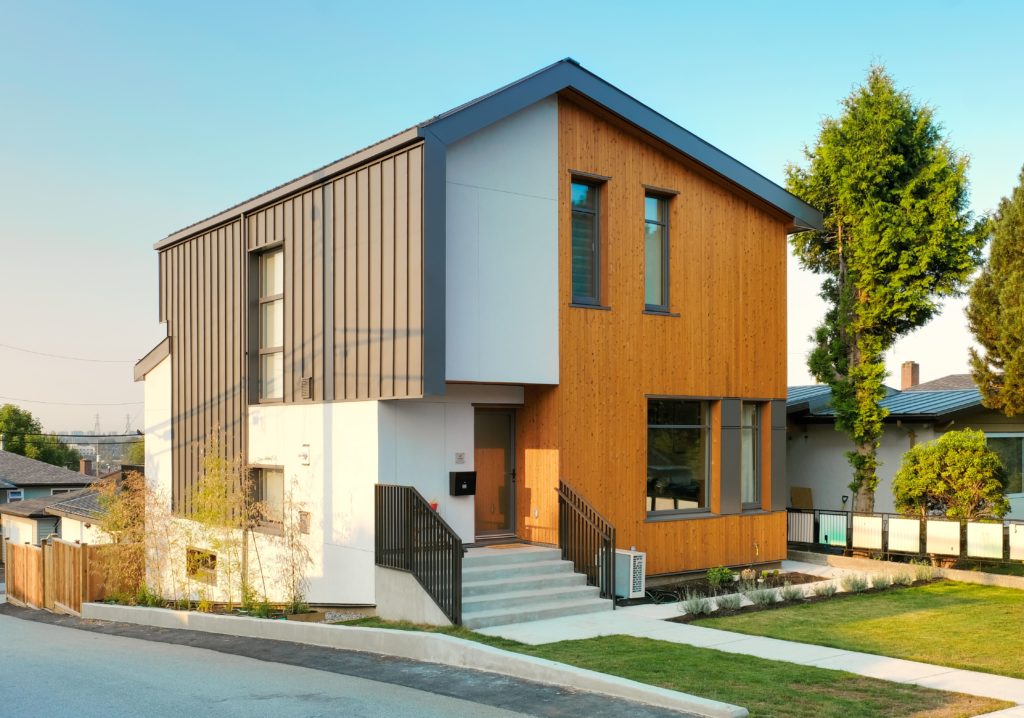

Creating an airtight building envelope is a critical step in constructing energy-efficient homes. This guide will walk you through the process of designing an effective airtight building envelope, ensuring optimal energy efficiency and comfort for your home.
Before we delve into the specifics, it’s worth noting the importance of airtightness in the context of passive house design. Airtightness is not just about preventing drafts; it’s about creating a continuous barrier that prevents heat transfer and moisture ingress. For more on this topic, you can refer to our guide on passive house energy modeling.
Understanding the Basics of Airtight Design
The first step in designing an airtight building envelope is understanding the basic principles involved. The primary aim is to minimize air leakage, which can lead to energy loss and moisture problems. This involves careful planning and meticulous execution during construction.
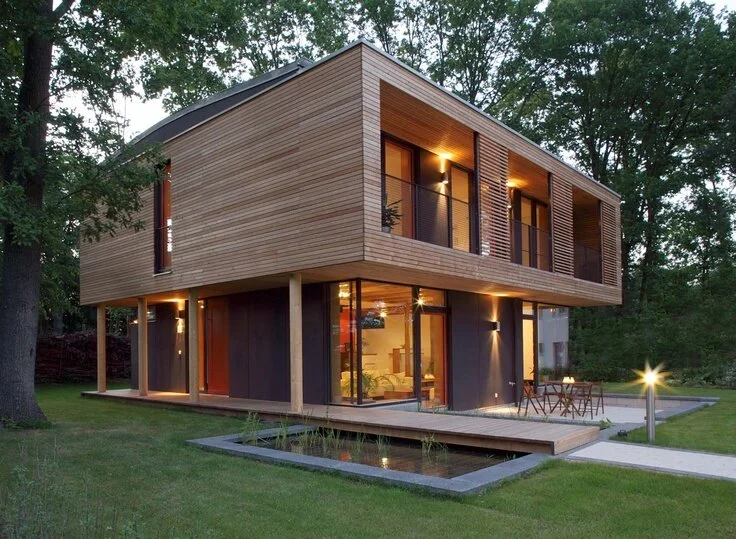
Key Elements of an Airtight Building Envelope
The main components of an airtight building envelope include the walls, roof, and floor. Each of these elements must be carefully sealed to prevent air leakage. This often involves the use of special materials and techniques, such as airtight membranes, tapes, and sealants.

Benefits of an Airtight Building Envelope
Designing an airtight building envelope offers numerous benefits. It can significantly improve the energy efficiency of a building, leading to lower heating and cooling costs. It can also enhance indoor air quality by preventing the ingress of outdoor pollutants. For more information on the benefits of airtight design, you can visit this descriptive anchor text.
In conclusion, designing an airtight building envelope is a complex but rewarding process. With careful planning and execution, you can create a home that is not only energy-efficient but also comfortable and healthy to live in. If you’re ready to take the next step in your energy-efficient home journey, consider using products like seal walls, power cam solar and seal your energy envelope to enhance your home’s airtightness.